
Rank by Taste, built into Crystallize
Hyper-personalization A different store for every shopper
Rank by Taste re-orders every page for the person looking at it, from nothing but what they have bought. No segments to maintain, no rules per customer, no second system
Likes Enthusiast, Wildlife and Nikon
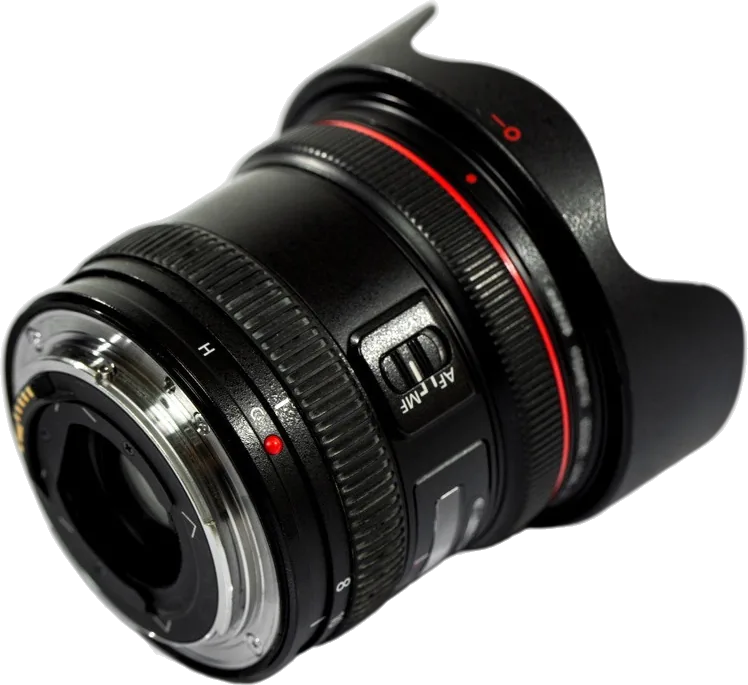
Nikon for Oliver
Nikkor Z 100-400mm f/4.5-5.6 VR S, $1,799. Matches Wildlife, Nikon and Nikon Z
Nikon
Nikkor Z 100-400mm f/4.5-5.6 VR S
$1,799
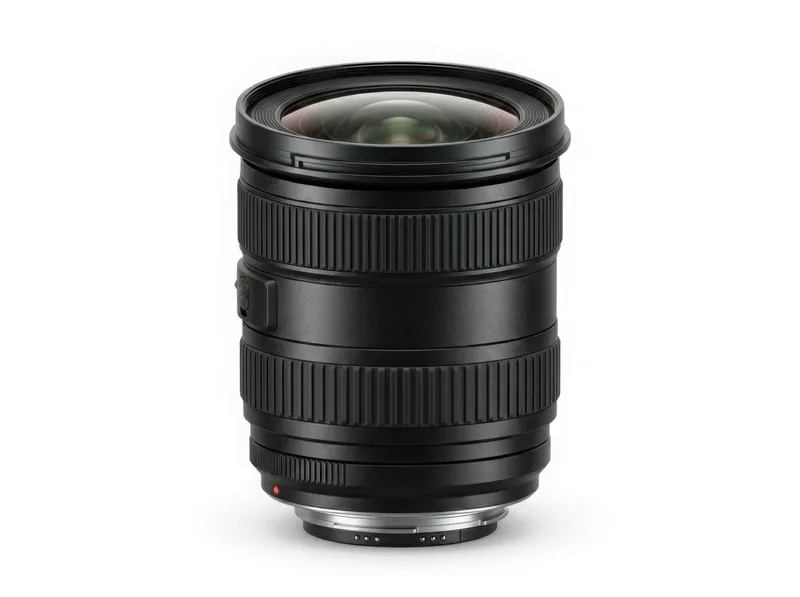
Tamron
Tamron 70-180mm f/2.8 Di III VC VXD G2
$858
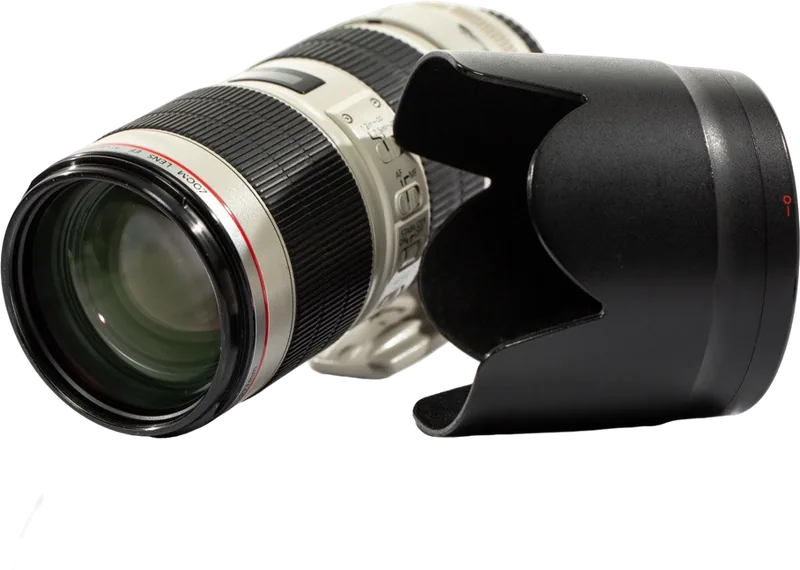
Nikon
Nikkor Z 180-600mm f/5.6-6.3
$1,308
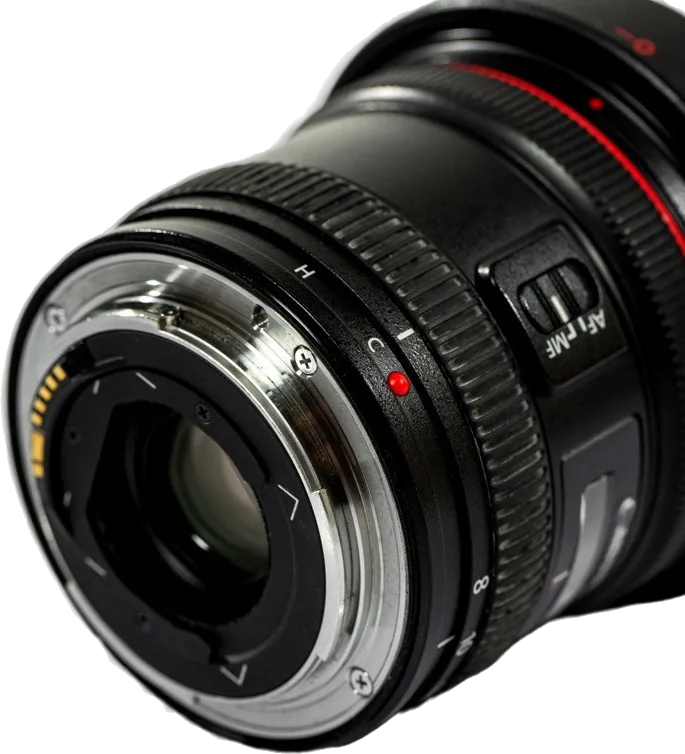
Nikon
Nikkor Z 14-30mm f/4 S
$758
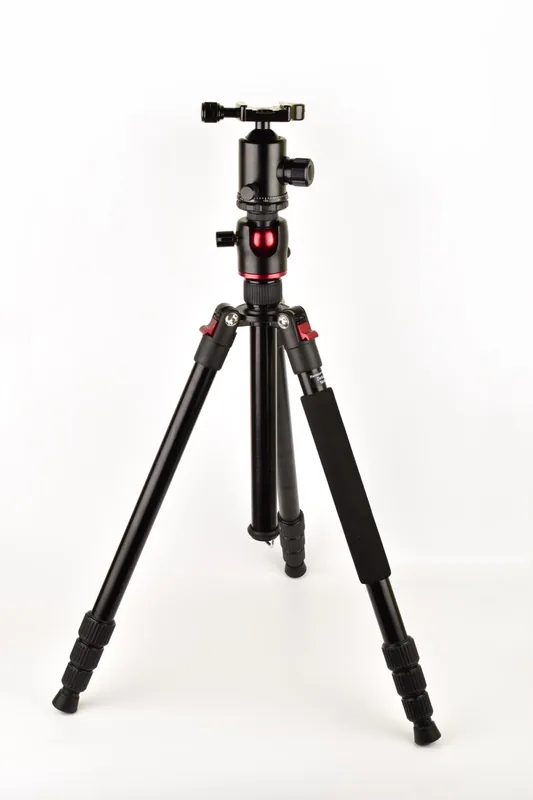
Benro
Benro Roadtrip Pro Aluminium 6-in-1
$132
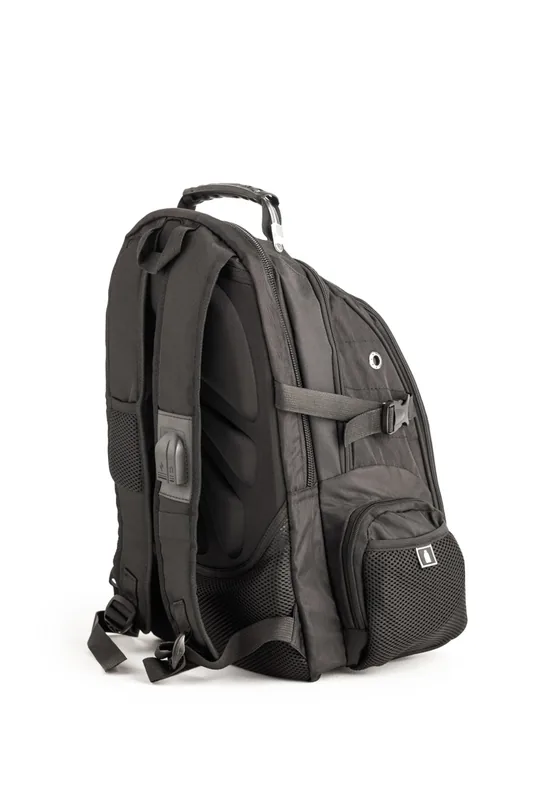
Shimoda
Shimoda Urban Explore 25 Anthracite
$158
The idea in one picture
Products have a taste profile So do shoppers
You know the idea from music streaming: the app learns your taste and plays more of what fits. Rank by Taste does the same for a catalogue. Every product is described by what it is and who it is for, every shopper builds a profile in the same words, and the store puts the best matches first

Your rules stay in charge
Taste is one ingredient You decide the mix
Next to the shopper’s taste sit the things a merchandiser cares about: what sells, what earns, what’s in stock, what’s on campaign and what’s new. Every page gets its own blend
Shift the mix: all the way towards the store rules and everyone sees the same bestseller shelf, all the way towards taste and the shopper leads. Merchandisers tune it live in the store and watch every page re-order as they go. A great match that’s out of stock won’t sit on top

Personalization your team can actually run
Rank by Taste is part of the Discovery API on every Crystallize tenant. No add-on, nothing to install, no model to train. It’s in your Crystallize already

Ready on day one
It runs on the product tags you already keep, inside the search itself, at search speed. No training data, no overnight jobs

Merchandisers in control
Taste never overrules the business. Margin, stock, sales and campaigns keep their say, tuned per page

Explainable
Every position comes with its reasons, so decisions are made on facts, and can be explained to anyone

B2C and B2B, any market
Consumers and business buyers, UK and US, own prices and tax: the same approach for all of them
No black box
Every position can tell you why
Each product on each page comes with its reasons: how much came from the shopper’s taste profile and how much from your own rules. Merchandisers tune against facts, not hunches
- In the store, click the score. Any product card shows its breakdown
- Same answer every time. The breakdown adds up to exactly the position you see
1. Describe products once
Tag what a product is, and who it’s for
The tags your team already keeps in the product catalogue become its taste profile. Nothing else to maintain
- Three lenses. Which brand and camera system it belongs to, what people use it for, and what kind of gear it is
- Order matters. A Tamron lens made for Nikon is mostly Tamron, but also a little bit Nikon, so a Nikon shooter still finds it
- “Fits anything” stays neutral. A tripod that works with every camera doesn’t pull every accessory buyer towards every tripod
2. Shoppers profile themselves
Every purchase teaches the store a little more
The profile is built from real orders in Crystallize. No surveys, no guesswork, and nothing about the customer is hard-coded
- Recent counts more. What someone bought last month says more than what they bought two years ago
- Big decisions count more. A $5,000 lens says more about a photographer than a memory card
- No history yet? No problem. A new shopper sees your own mix: bestsellers, campaigns, new arrivals. The first order starts the profile, and the next page already knows

OliverNikon Z wildlife
3. Match
The best matches rise to the top
For every page, the whole catalogue is lined up against the shopper’s profile. The more a product has in common with them, the higher it goes
- Across all three lenses at once. Right brand and right use beats either one alone
- Never the wrong system. A Nikon photographer isn’t shown lenses that don’t fit their camera
- Inside search itself. No separate recommendation engine, no overnight job: it happens as the page loads
OliverNikon Z wildlife
One profile. Every page
The same taste profile and the same rules work wherever products are shown, so the whole store feels like it knows the shopper, not just one widget on the front page
Every page
Front page & campaigns
Banners and product picks ordered for the shopper. Oliver opens on Nikon instant savings, Milo on DJI deals
Every page
Category pages
The same filters for everyone, a different order for each. In Lenses, the glass that fits their camera comes first
Every page
Search & suggestions
The words typed lead, taste breaks the ties, typos are forgiven. "nikkon" still finds Nikkor, ranked for Oliver’s Z kit
Every page
Menu
Every category in the menu shows its three best picks for this shopper. Amelia sees primes under Lenses, Milo sees zooms
Every page
Product page
Similar products found automatically, plus picks for the shopper. No hand-made related-products lists to keep up to date
Every page
Basket & checkout
What is in the basket counts most: add-ons that complete it, never a second version of the same thing. A Nikon lens in the basket suggests Nikon bodies, never another lens

For developers
A ranking signal in the Discovery API
Under the hood a taste profile is a vector. Products get theirs from their tags, shoppers get theirs from their orders, and Discovery scores how close the two are as one signal in the ranking, next to relevance, recency, stock and your own field boosts
Nothing about the shopper is stored in Crystallize: build their vector from their orders, send it with the query, set the weights per page, and read the breakdown back with every hit. This one runs against the real catalogue of the store you have open. Change the shopper or the weights and run it again

See it for yourself
Open the store as three different shoppers
Pick a shopper, watch every page re-order, click any score for its reasons. Then picture it on your own catalogue
All our demo stores, for every industry, are on superfast.shop
Questions
What about shoppers with no order history?
They see your own mix: bestsellers, campaigns, new arrivals, in stock first, exactly as the merchandiser set it. Nothing is guessed. The first order starts the taste profile, and the next page already uses it
Is Rank by Taste a separate recommendation engine?
No. It is a ranking signal inside the Discovery API, in the same query that already serves search, categories and menus. There is no second index to sync, no separate service to host and no overnight job
Do we need to train a model or collect browsing sessions?
No. Products get their taste profile from the tags already in your catalogue, and shoppers get theirs from their orders in Crystallize. It works from the first day, on a catalogue of any size
Can merchandisers override it?
Yes. Taste is one weight next to stock, margin, sales, campaigns and recency, tuned per page. Turn it all the way towards the store rules and everyone sees the same shelf. Turn it towards taste and the shopper leads
Does it work for B2B?
Yes. A business account builds its profile the same way, from what it orders, while its own price list, market and tax rules still apply
Which pages does it cover?
Any page that queries Discovery: the front page, categories, search, menus, product pages, the basket and the checkout. One profile, every surface
What is the difference between hyper-personalization, Rank by Taste and a taste profile?
Hyper-personalization is the outcome: a store that re-orders itself for each shopper. Rank by Taste is the Crystallize feature that does it, inside the Discovery API. A taste profile is the mechanism: a vector built from tags for a product and from orders for a shopper, compared at query time